384 miles.
This is the staggering distance that the smallest state comes in contact with the Atlantic Ocean.
Rhode Island, with a total area of only 1,545 square miles, is comprised of one-third water. For its entire history, this has fostered an unbreakable bond between its inhabitants and the coastal environment. In the last century, however, Rhode Islanders had a somewhat antagonistic relationship with these waters. Narragansett Bay, rife with high levels of pollution from industry, stormwater runoff, sewage, and countless other encroachments of humankind, was rendered unusable and unfishable.
It is only recently that the waters of Narragansett Bay have started to clear, and the legacy of pollution has slowly been reversed through dedicated cleanup and restoration. Today, new challenges are emerging as climate change brings rising sea levels, extreme storms, and higher temperatures that threaten the delicate coexistence of Rhode Islanders and their environment.
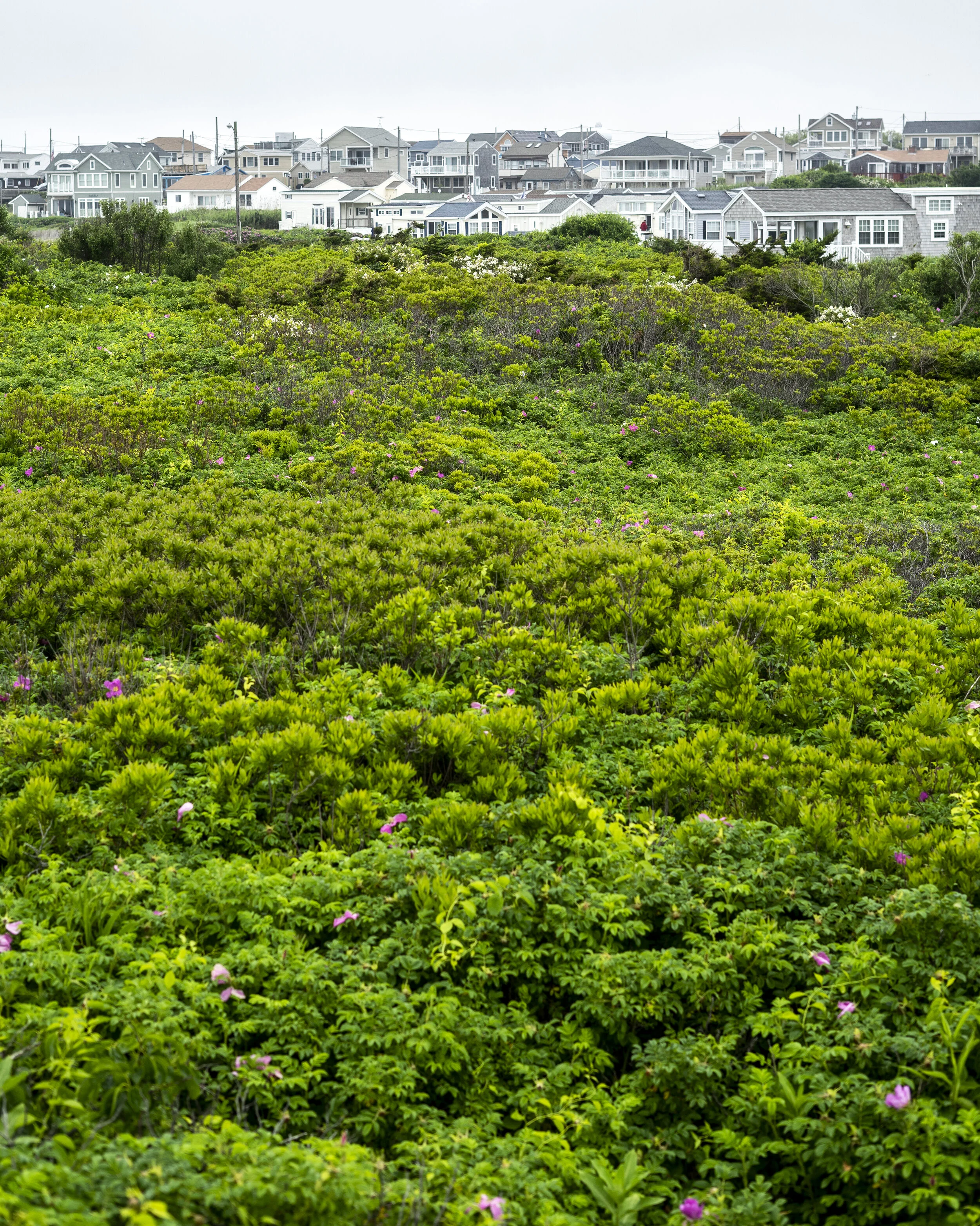
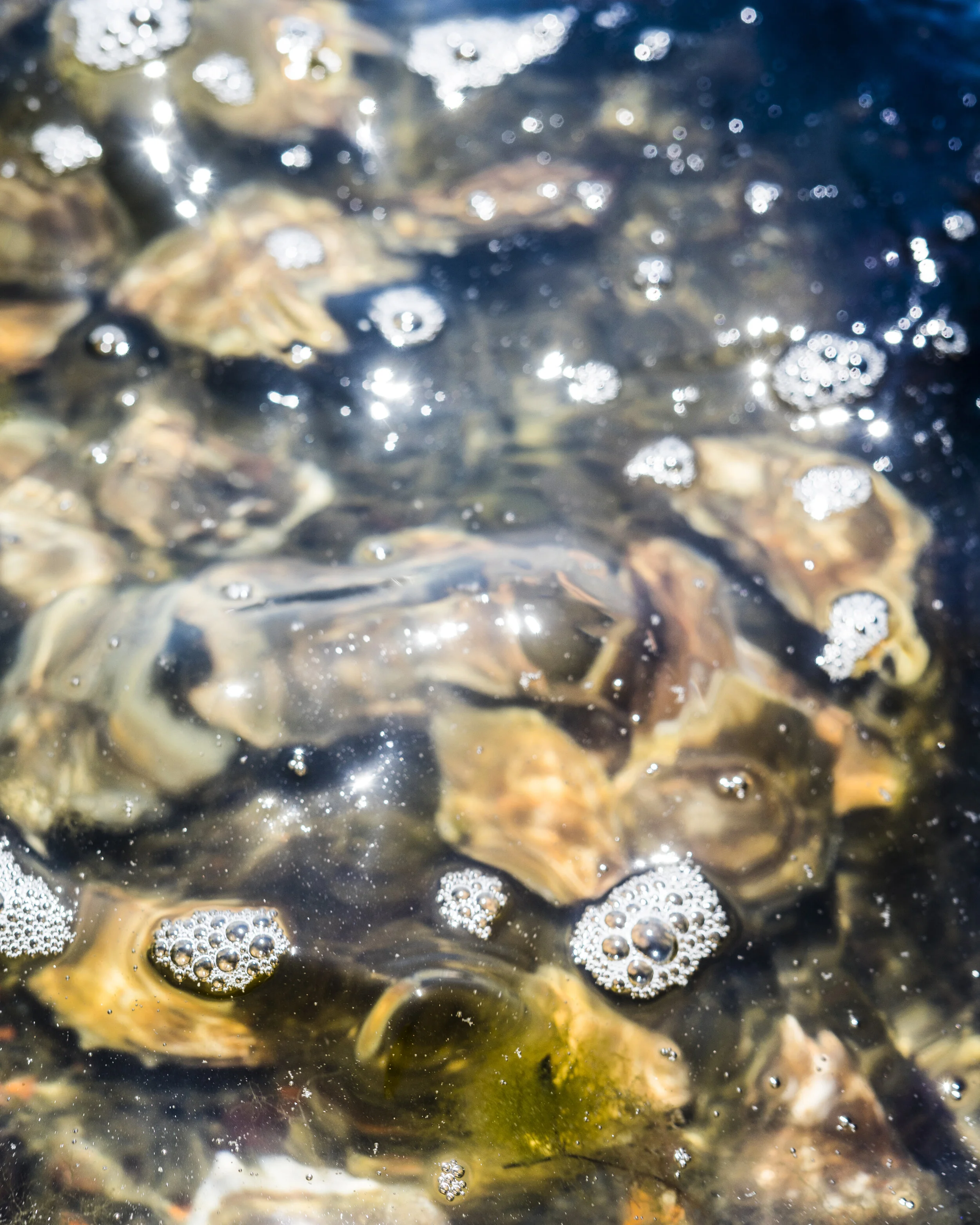
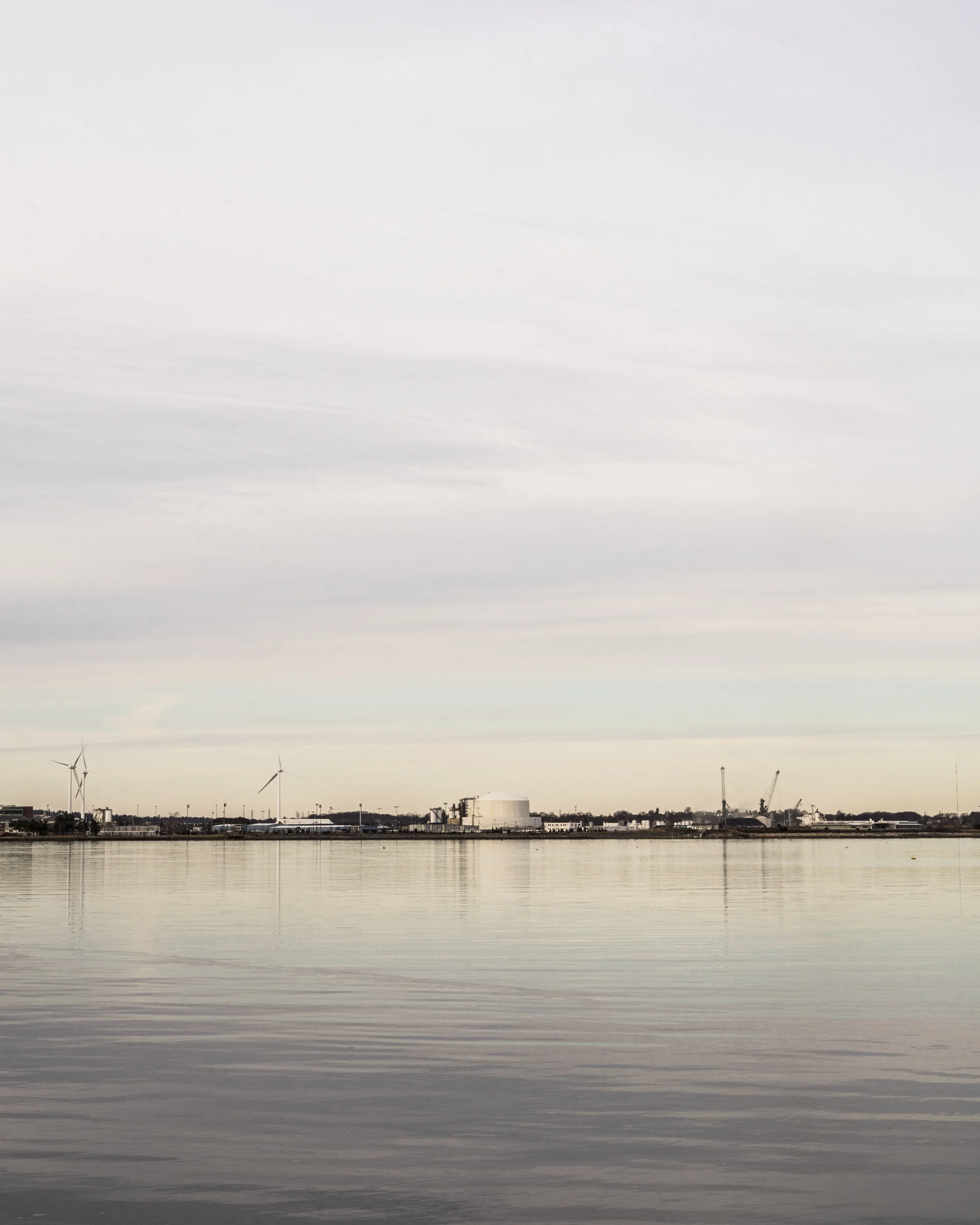
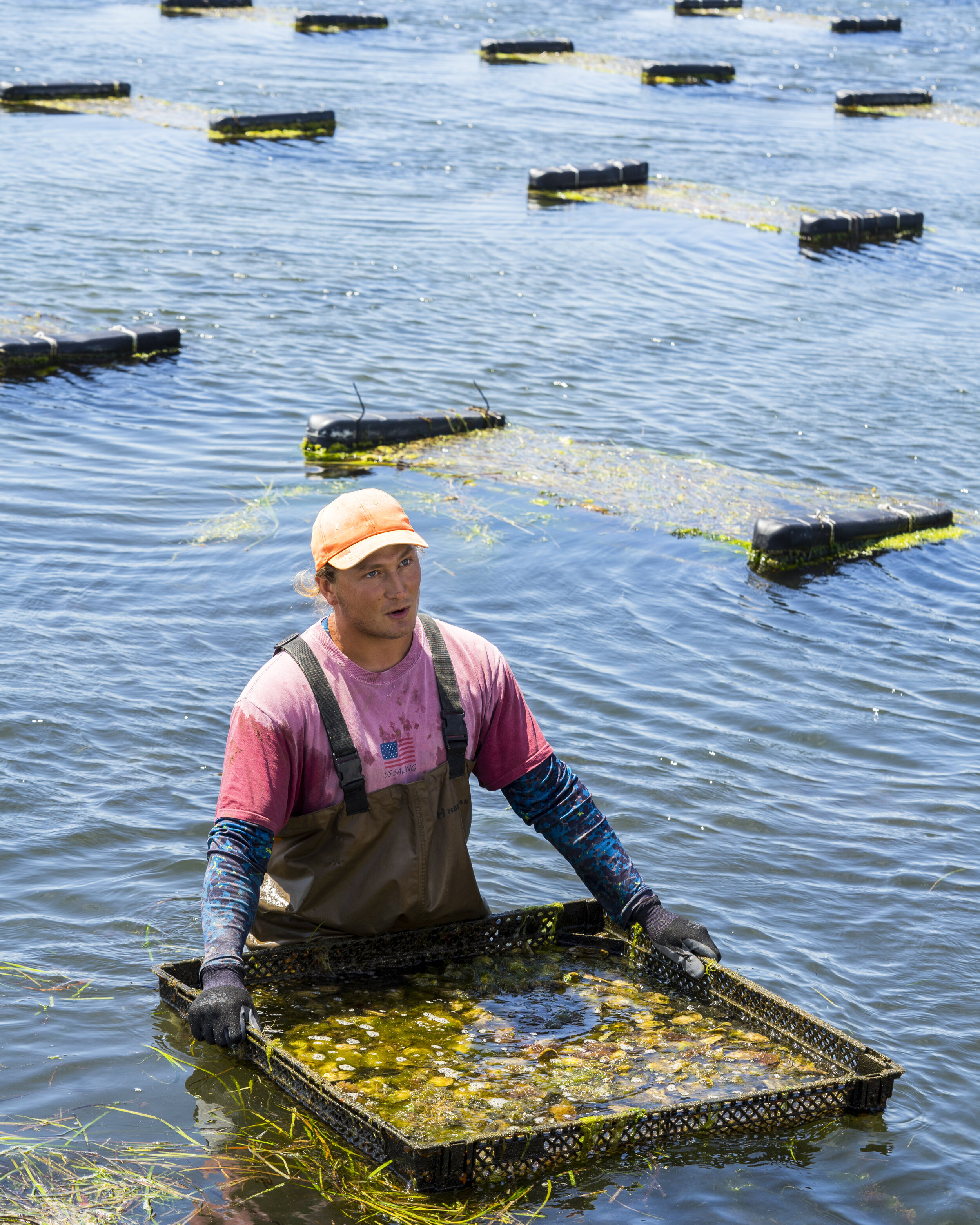
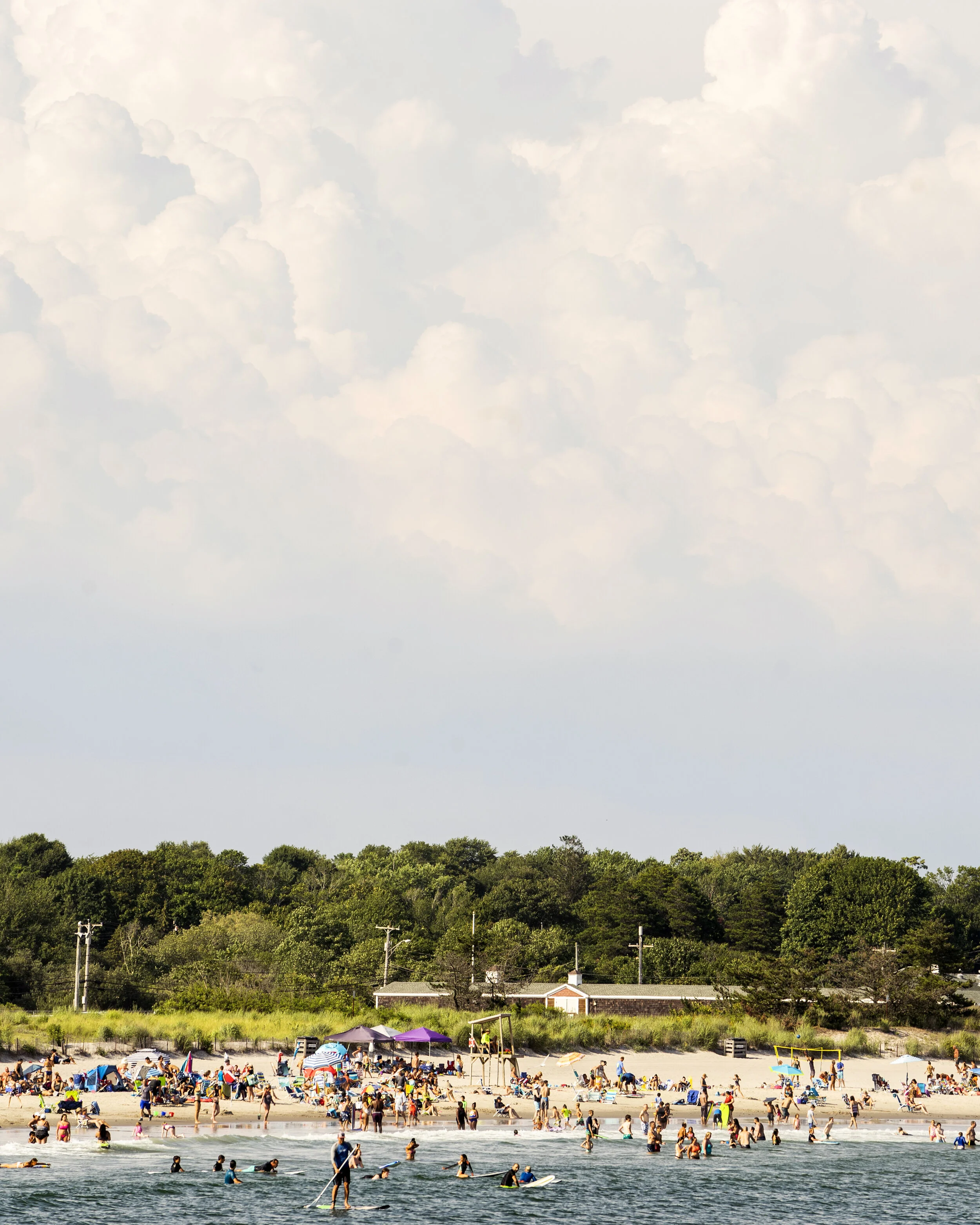
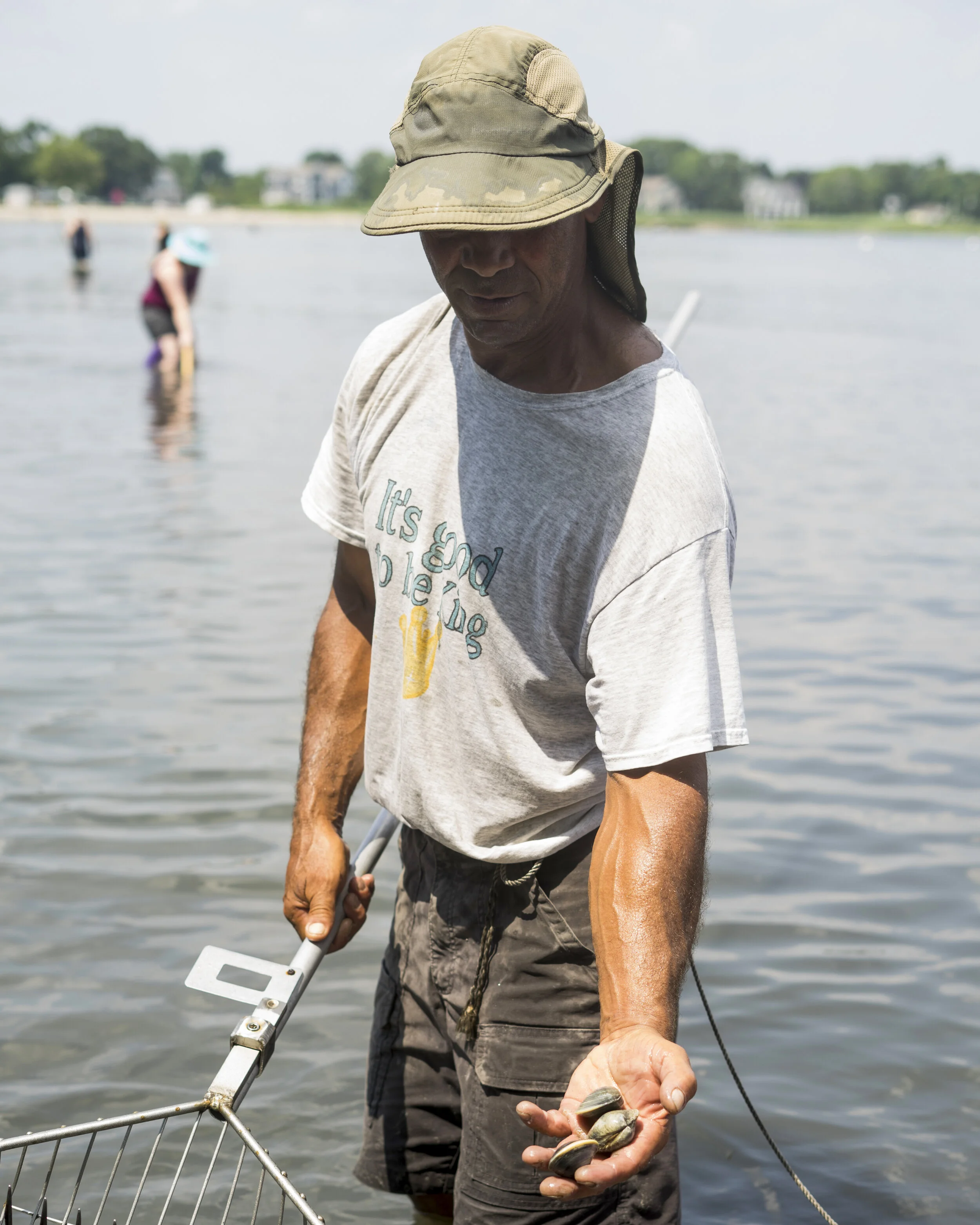
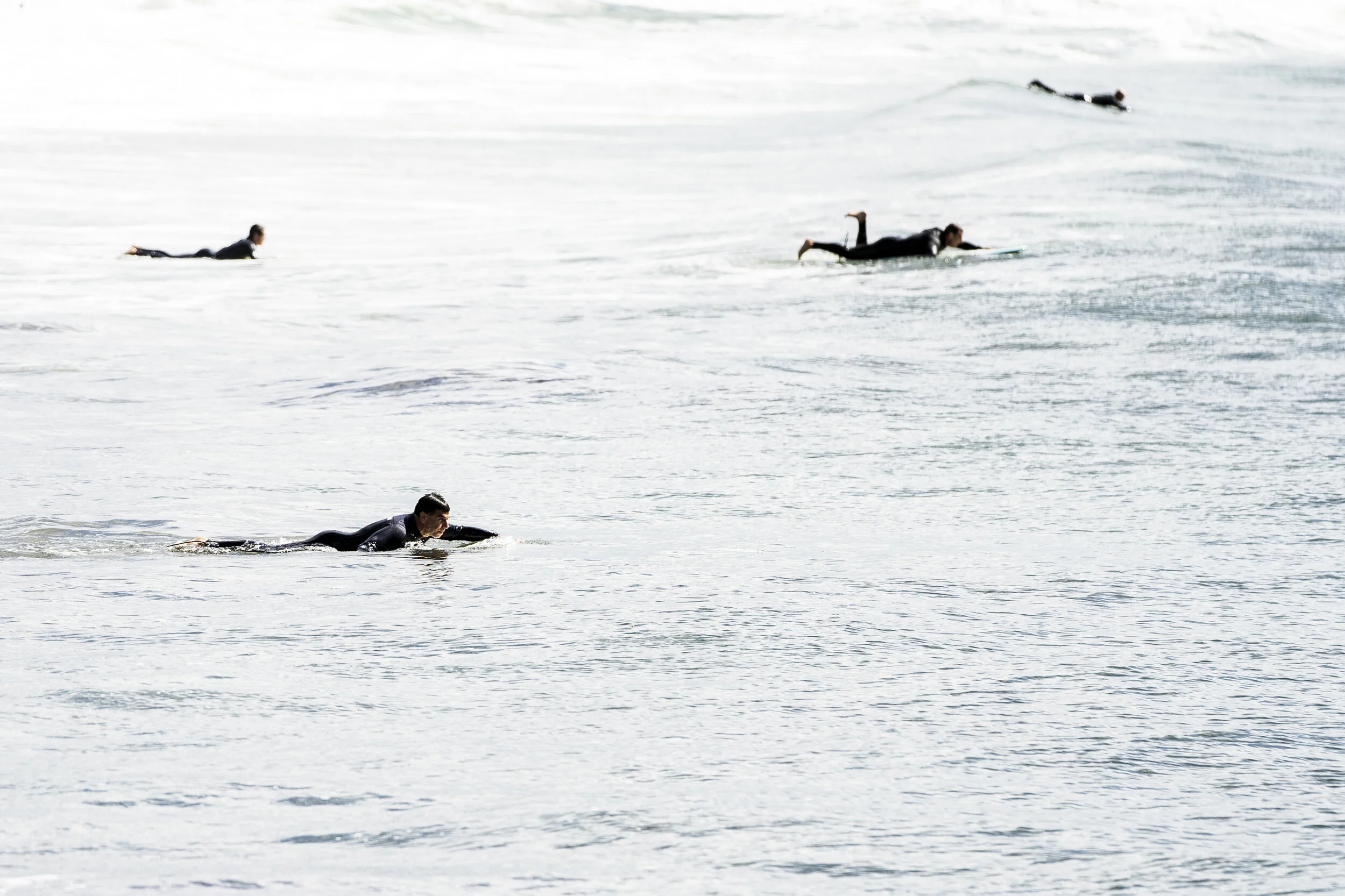
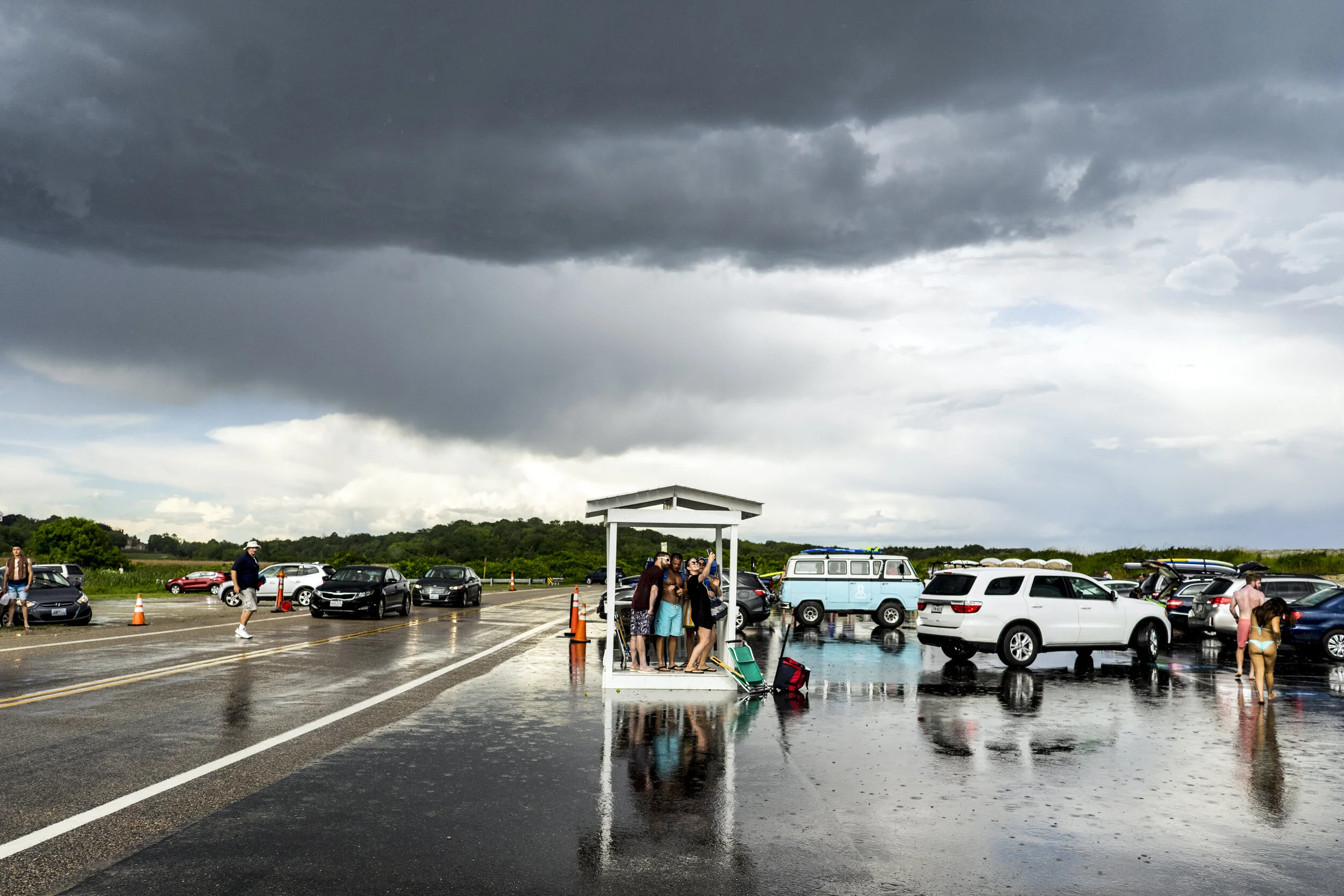
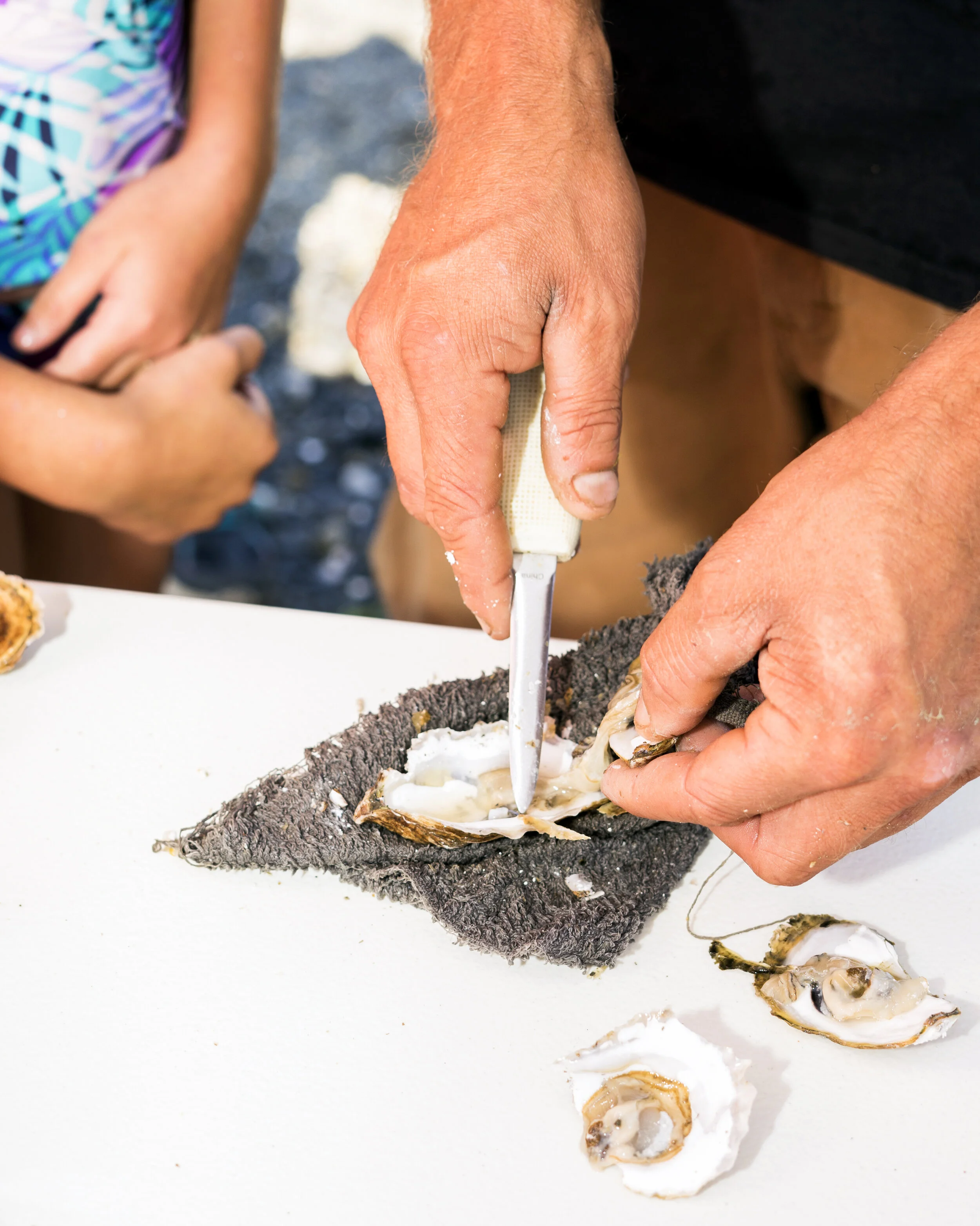
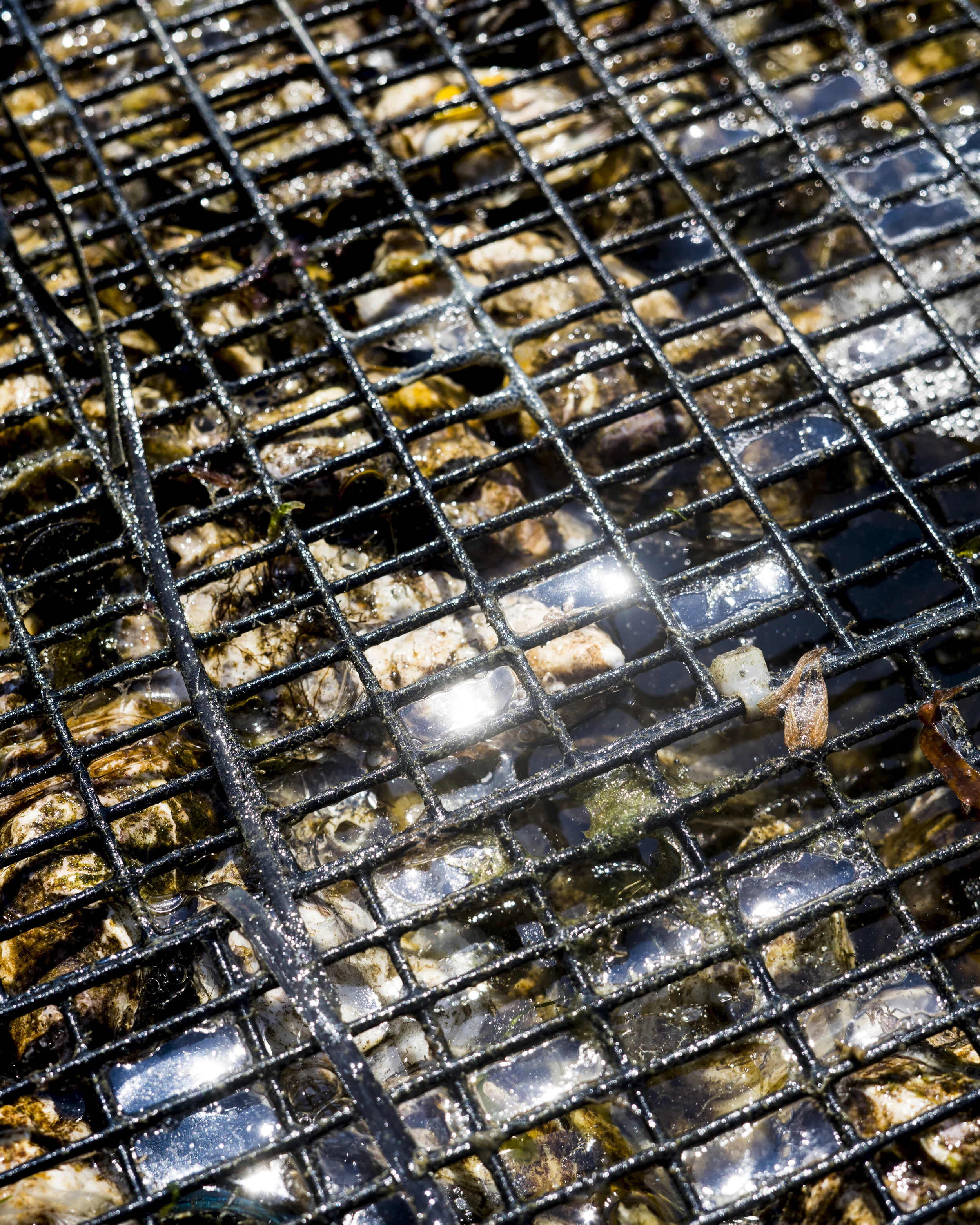
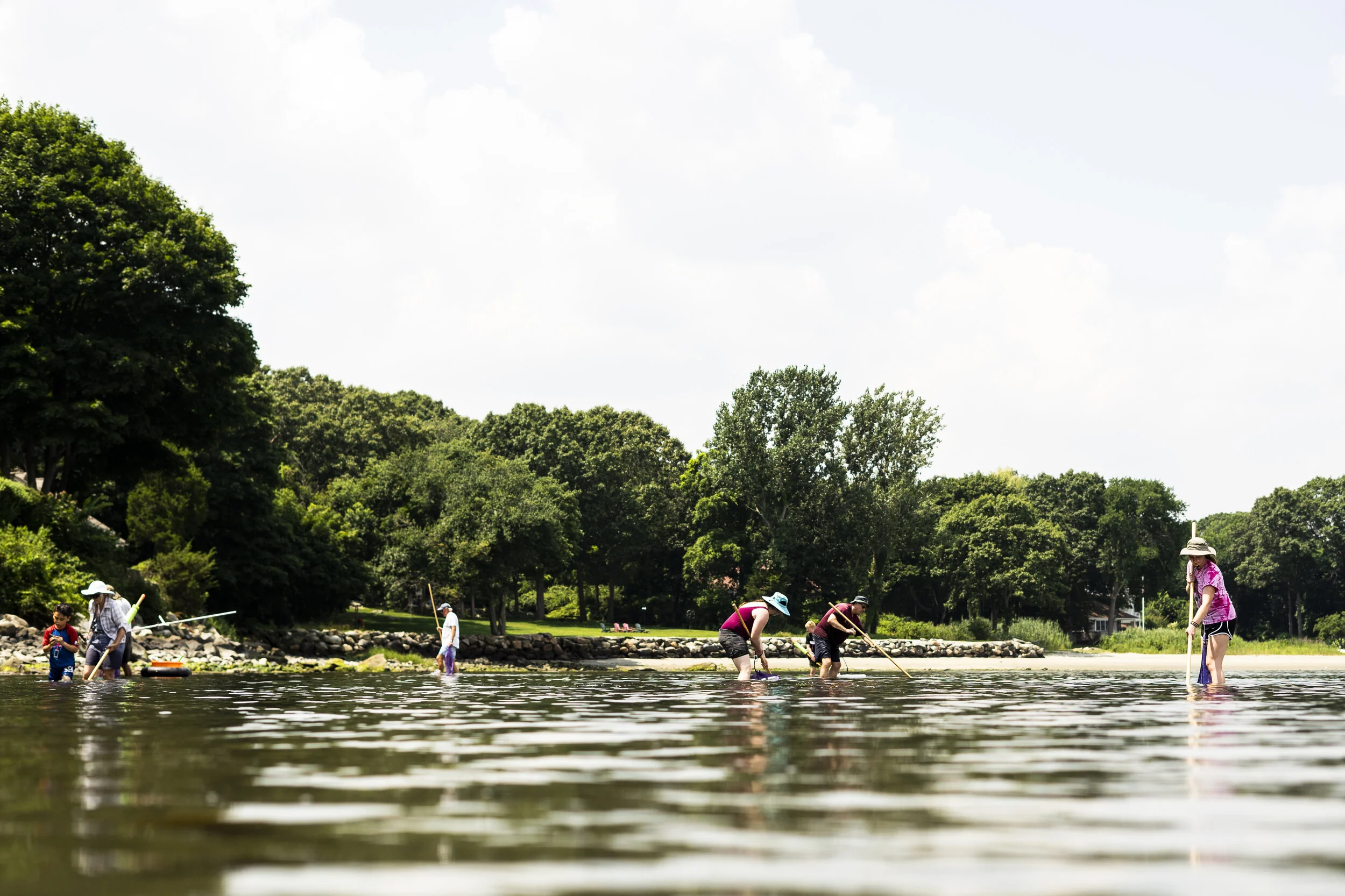

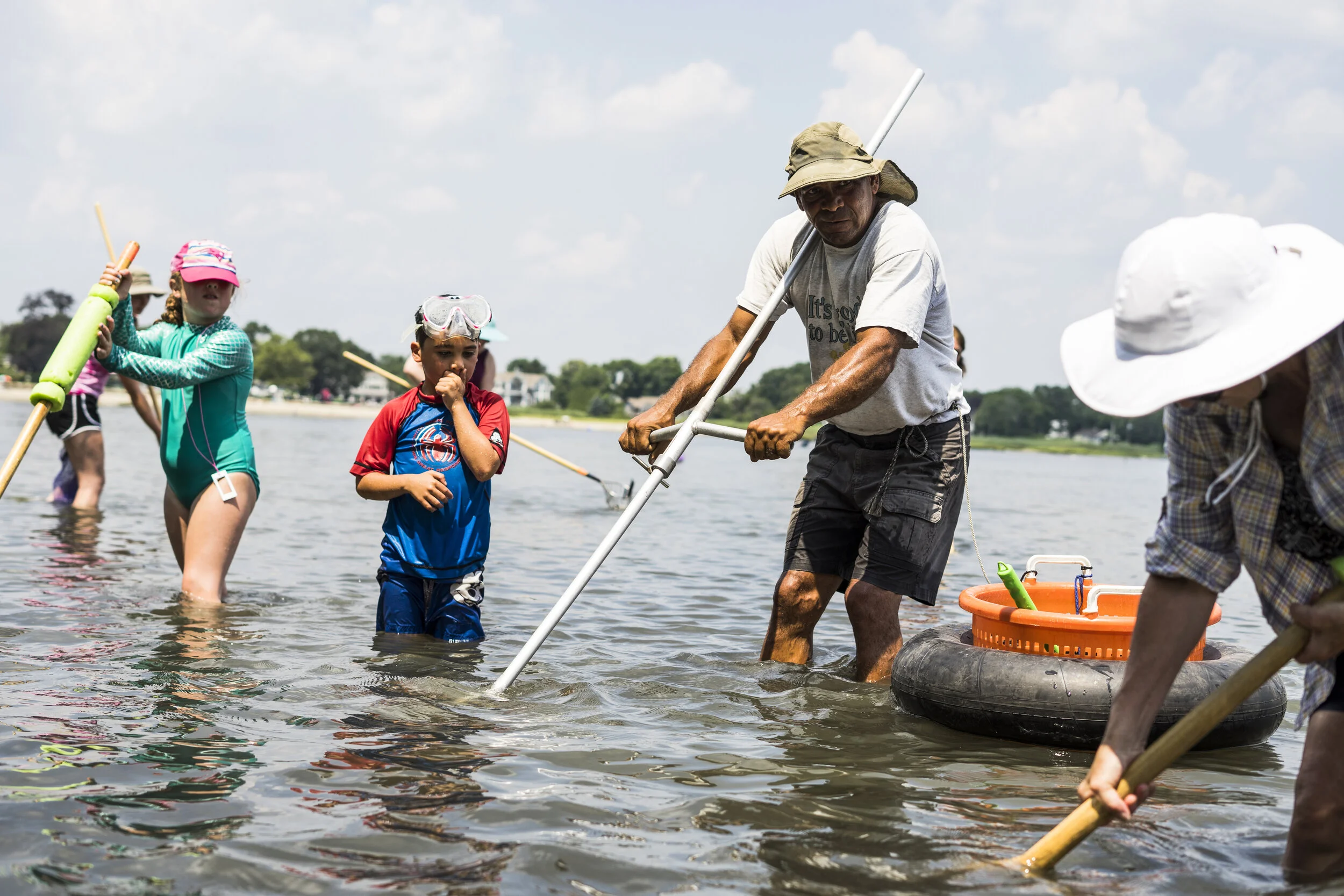
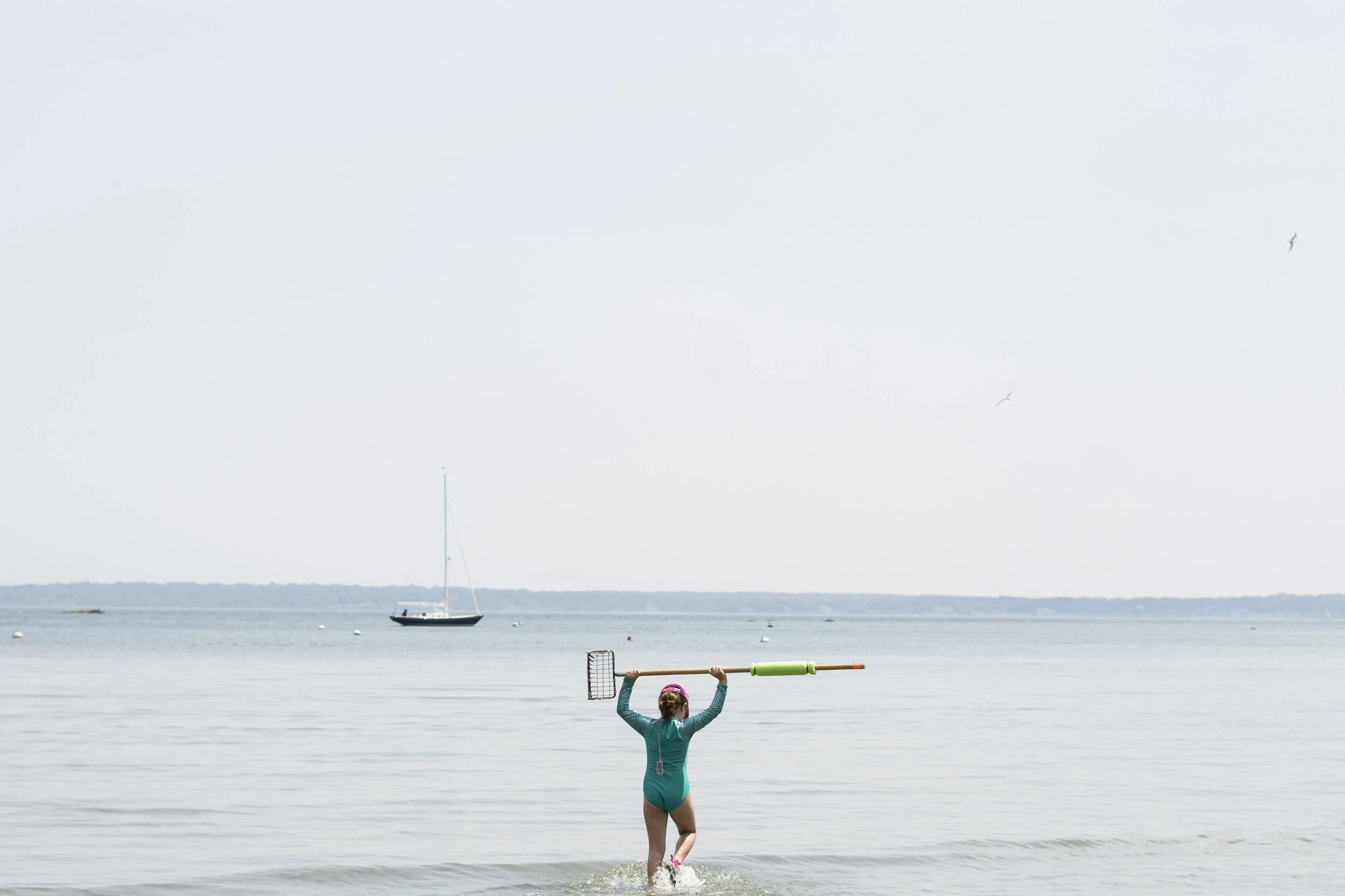
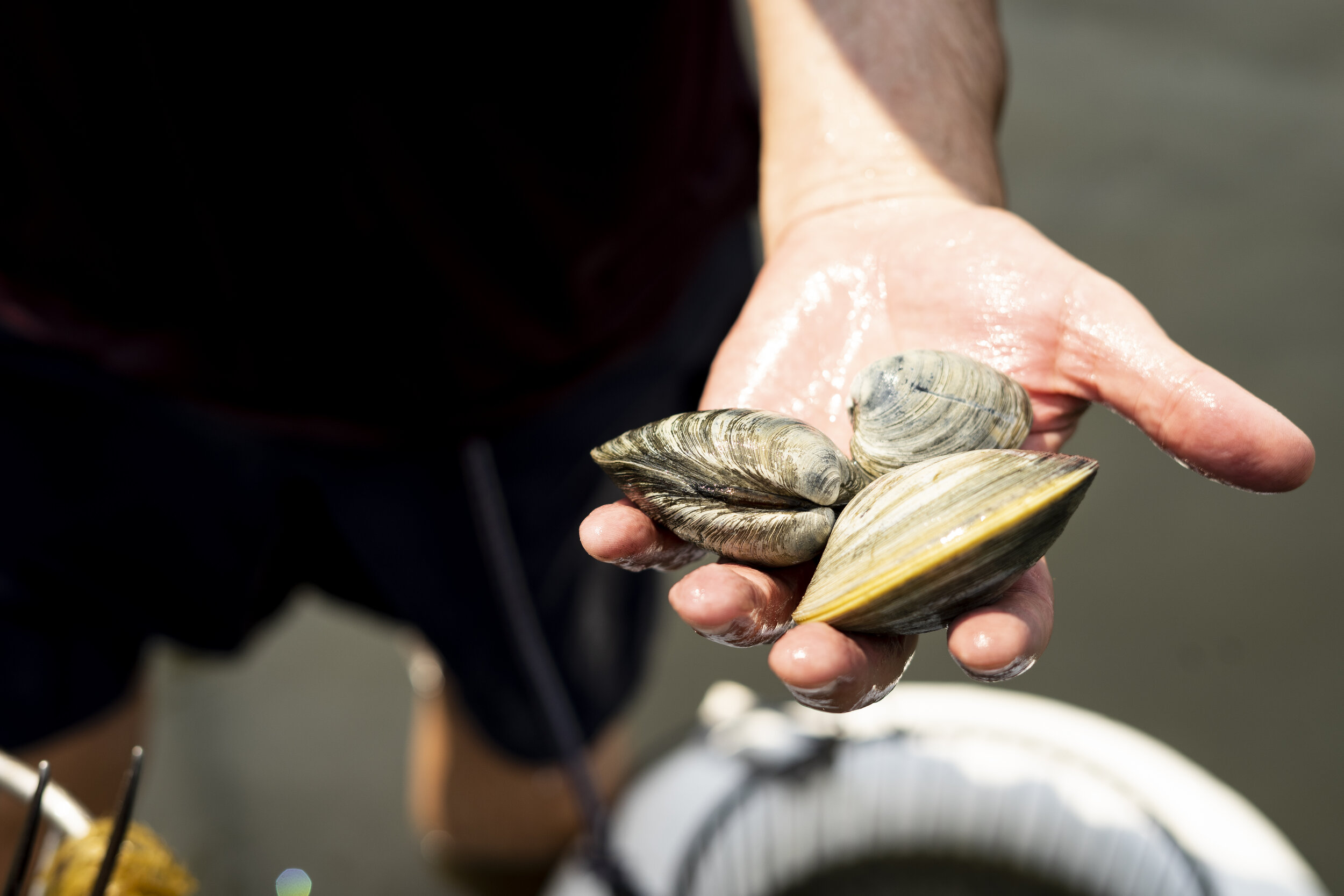
This documentary photography project focuses on the intertwined relationship between Rhode Islanders and the sensitive coastal ecosystems they rely on. Bringing together stories from tourism and recreation, fishing and food production, and natural history and conservation, the project strives to give multifaceted outlook on the issues and challenges our coastal ecosystems face, capturing the wide range of voices that contribute to solutions at the edge of the sea.